Saturday, June 6, 2020

Has the ACA Expanded Medicare’s Immunosuppressive Drug Coverage for Kidney Transplant Recipients?

Has the ACA Expanded Medicare’s Immunosuppressive Drug Coverage for Kidney Transplant Recipients?

https://www.dialysispatients.org/news/has-the-aca-expanded-medicares-immunosuppressive-drug-coverage-for-kidney-transplant-recipients/


By Jim Myers, DPC Patient Ambassador.
I had a conversation with my doctor last week. (My nephrologist, Dr. Vavilala, we call him Dr. V). He asked me if I had heard anything during my last trip to Washington, D.C. about an extension of coverage through the ACA to kidney transplant patients of the immunosuppressive drug coverage beyond the 36 month period that currently exists. This rang a bell in the back of my brain, so I decided to check it out.
Every transplant patient or transplant candidate knows the current status of the law. If you are a kidney transplant recipient, you must take medications the rest of your life to prevent rejection of your transplanted kidney. Medicare pays for the transplant and immunosuppressive drugs for 36 months post-transplant, but coverage of these critical medications stops unless the beneficiary is Medicare-aged or Medicare-disabled. Here is where the gap in coverage comes in; if you’re under 65 and you have received a transplant, you are not age-eligible, nor are you considered disabled because after you have a transplant, you are no longer Medicare-disabled. Coverage for anti-rejection drugs for those patients that fall into the gap is limited to 36 months. The catch is that anti-rejection meds are very expensive. One newspaper article I read reports that one patient was paying as much as $1,750 a month, and the National Kidney Foundation estimates that Medicare pays $124,643 for a first year transplant patient, and then pays $24,612 a year primarily for anti-rejection meds thereafter.
So what happens to the transplant patient who has to make the choice between heating, eating & driving or taking his immunosuppressive medications? An all too common scenario for those that fall into the gap is they skip their meds, their newly implanted kidneys fail, and they end up back on dialysis.
This is particularly maddening when you consider that your life expectancy on dialysis is about 5 years and your life expectancy from a live transplant can be 12-20 years, with a much better quality of life. This is particularly striking when you consider that some transplants have lasted as long as 40 years.
Another big factor to consider is costs. The National Kidney Foundation makes the following comparison between the cost of a transplant and the costs of dialysis:
Medicare spends an average of $86,316 per year for an individual who is on dialysis and $124,643 during the first year of a kidney transplant. However, after the year of transplant, the cost is much lower at $24,612 for an individual with a functioning kidney transplant. If the transplant fails, the patient returns to dialysis or receives another transplant, each covered again by Medicare.
Think about that for a minute; almost a $60,000/year savings by simply preserving and protecting a transplanted kidney! The NKF has proposed legislation for years to plug this gap, but despite wide-spread acceptance, the bill has yet to become law.
To answer the doctor’s question, we look to the NKF blog on the subject:
We are confident that the declining cost of the drugs, coupled with the fact that many currently uninsured transplant recipients will be able to purchase insurance under the Affordable Care Act (ACA), will make H.R. 1428 / S. 323 very cost effective and increases the possibility of congressional approval. The CRS study reviewed preliminary information on the ACA’s essential health benefits (EHB) benchmark plan in multiple states, and found that the plans will typically require health plans to cover these immuno drugs. Thus, since more people will have insurance coverage, fewer will need the extended Medicare benefit, lowering the cost of H.R. 1428 / S. 323.”
In other words, in the opinion of the National Kidney Foundation, the ACA may now cover that gap in coverage for the immunosuppressant drugs, extending the 36 months in coverage to coverage for a lifetime. The NKF has made clear that they are still pursuing a bill to extend this coverage and preventing insurance carriers from cancelling you once you have coverage.
I then located the study referred to in the NKF blog. The article notes that in 2007, the Government Accountability Office (GOA) found the percentage of kidney transplant failures had nearly doubled when examining the results after a 7 year period, post-transplant. The study attributed at least part of this failure to patients not taking anti-rejection meds due to prohibitive costs after the 36 month period had run. The article notes that beginning in 2014, patients with a kidney transplant who are no longer entitled to Medicare payments for their anti-rejection meds may have access to extended coverage under the ACA. The CRS paper went on to note that a random sampling of plans covered prescription drugs, presumably including immunosuppression drugs used by ESRD patients to prevent transplanted kidney rejection. More to the point, the ACA beginning in 2014 requires private health plans offered through exchanges to cover essential health benefits (EHB). The 2012 benchmark standards require all plans available in exchanges to cover drugs in the immunosuppressive class. What this means in plain English is that somewhere between 3-24 anti-rejection drugs and roughly 20 products must be covered by state exchanges including common immunosuppressive drugs used by kidney transplant recipients. This comes as potentially good news for kidney transplant patients!


Rare Disease Day

Rare Disease Day


By AAKP Board of Director members, Jim Myers, Kent Bressler, and Suzanne Ruff
As per the NORD (National Organization of Rare Disease) website: The main objective of Rare Disease Day is to raise awareness among the general public and decision-makers about rare diseases and their impact on patients' lives.
For families like mine and fellow AAKP Board of Directors, Jim Myers and Kent Bressler, we want to shout it from the rooftop about the disease that Jim, Kent and our families suffer from . . . why?
Because most people have never heard of the diseases we battle.
That’s what Rare Disease Day is all about: held on the last day of February, not just in the USA but also in Europe.
AAKP Board of Director, Jim Myers, suffers from a genetic disease called, polycystic kidney disease (ADPKD), as do many members of my family. PKD is considered a rare disease. Myers is a PKD patient and a transplant recipient who has been managing kidney disease since 1983. Myers said, “I was lucky enough to have a transplant on April 27, 2016. At the age of 25, I went into the hospital with chest pain. From a simple x-ray, I was diagnosed with PKD. I have lost five members of my family to PKD, including my Dad. Because of my family's history, I was immediately referred to Dr. Hellman, a nephrologist at Indiana University Health. He immediately put me on high blood pressure medication and a kidney-friendly diet. I faithfully followed up at the kidney clinic every six months, took my medicine and adhered to the kidney diet. There is no cure for PKD, and at that time there was very little they could do for me.”
 Myers adds, “Autosomal dominant polycystic kidney disease (ADPKD) is a genetic disorder characterized by the formation of cysts within the kidneys. I welcome this annual opportunity, Rare Disease Day, to make people more aware of rare diseases like PKD.”
Nephcure International defines Focal Segmental Glomerulosclerosis Syndrome (FSGS) as “a rare disease that attacks the kidney’s filtering units (glomeruli) causing serious scarring leading to permanent kidney damage and even failure. Kent Bressler, AAKP Board of Director, shares his story:       “I have had FSGS for over 40 years, it began with a simple spilling of protein into my urine and an increase in my blood pressure. This rare progressive disease left me a choice between dialysis, transplant or death. I chose a preemptive kidney transplant from my brother 32 years ago. A preemptive transplant is when an individual receives a kidney transplant before the need to start dialysis. The hope that I saw in this terrible disease, was that the transplant offered me the best alternative of the three options. This preemptive transplant blessing has worked out well, as I have been able to raise my family and live without the confines of dialysis.
The takeaway is that there is always hope. If you, or anyone you know has protein in their urine, with an elevated blood pressure, please get it diagnosed and treated immediately. Early detection means early treatment and gives you a chance to seek a living donor for transplant. It’s up to you and no one else. Don’t take a wait and see attitude act right away to make a plan for your life.”
As Board members of AAKP, we have shared just two of the ‘rare’ diseases of the kidney, because of personal experience. However, there are many other rare and genetic conditions that cause kidney disease, and NORD gives us this glimpse to help define what these diseases cause the patient: A rare disease, also referred to as an orphan disease, is any disorder that affects a small percentage of the population. Although the disease may be rare, patients and families share a common struggle. Relatively common symptoms can hide underlying rare diseases leading to misdiagnosis and delaying treatment. Quintessentially disabling, the patient’s quality of life is affected by the lack or loss of autonomy due to the chronic, progressive, degenerative, and frequently life-threatening aspects of the disease. The fact that there are often no existing effective cures adds to the high level of pain and suffering endured by patients and their families.

AAKP Resources:
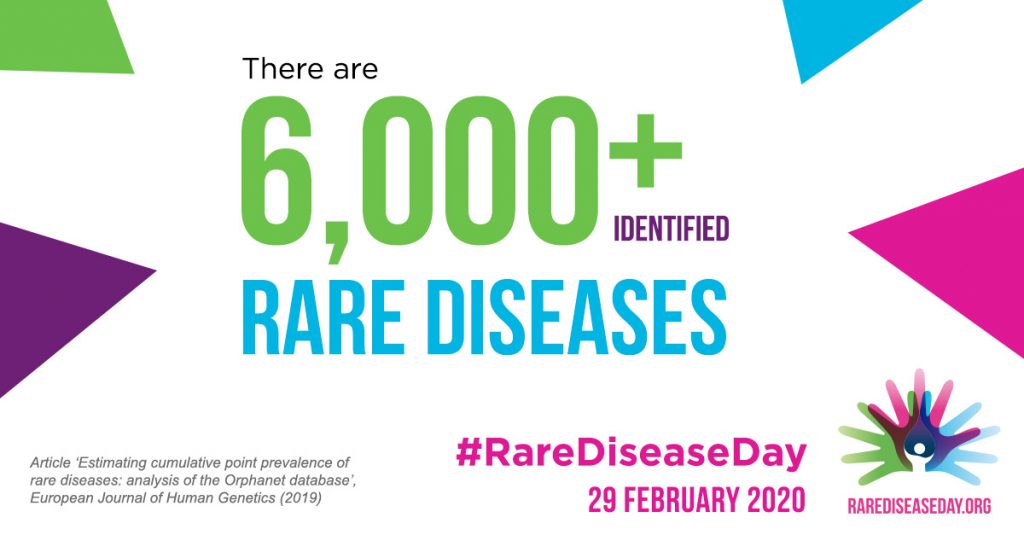
AAKP is participating in Rare Disease Day on February 29th.  Many kidney patients have one of the 6K+ rare diseases. AAKP supports research and innovations to better identify, manage and treatment rare diseases. Learn more about AAKP's Fabry Disease Diagnostic Testing and Education Program.  Also, learn more about AAKP's Cystinoisis Scholarship Program with a new scholarship application cycle starting February 29th!

WHAT IT MEANS TO ME TO BE A MEMBER OF THE AMERICAN ASSOCIATION OF KIDNEY PATIENTS

WHAT IT MEANS TO ME TO BE A MEMBER OF THE AMERICAN ASSOCIATION OF KIDNEY PATIENTS


https://aakp.org/what-it-means-to-me-to-be-a-member-of-the-american-association-of-kidney-patients/
By Jim Myers, National Board of Director and Ambassador, AAKP
It was 2014, I had just completed my first year of dialysis. I was in my chair at the Fresenius Medical Care Clinic in Crown Point, Indiana, when my doctor, Dr. Vavilala (Dr. V) approached me. He mentioned to me that the ESRD Network 10 was holding a contest, and he felt that if I applied and wrote an essay, I'd win. The prize was an all-expenses paid trip to Las Vegas to attend the American Association of Kidney Patients’ National Patient Meeting.
As a budding, new kidney advocate I jumped at the chance. With Dr. V's encouragement, I put my thoughts and feelings into that essay, and was fortunate enough to be selected as one of the Network’s winners.
When I went to Vegas and attended this patient event, my life changed forever. The AAKP is the oldest and largest, fully independent kidney patient organization in the U.S. and the only patient-led organization in the kidney community. AAKP was exactly what the doctor ordered! It was easy to see that AAKP was completely and utterly dedicated patients. I was hooked, this was exactly the type of organization I was looking for and wanted to be a part of to further help fellow patients.
AAKP is a great organization to become involved in for the true, independent kidney advocate. AAKP is dedicated to improving the quality of life and long-term outcomes for kidney patients through education, advocacy, patient engagement and the fostering of patient communities – they fight for early detection; increased kidney transplantation and pre-emptive transplantation; full patient choice either at-home or in-center dialysis; protection of the patient/physician relationship; promotion of innovation; and the elimination of barriers for patient access to available treatment options.
The AAKP operates differently than many other organizations, because it is truly patient-led and patient-focused. Instead of dictating to us, the AAKP listens to us. AAKP supports the patient voice and protects patient choice.
One of my interests is supporting pediatric kidney patients - I suggested to the AAKP that we develop an initiative to support this population and those family members, parents and guardians that care for them.  The result was the launch of the AAKP Pediatric Kidney Pals Initiative! The cornerstone of this initiative is a bi-monthly newsletter, which I serve as editor. We’ve also developed several educational webinars that featured experts, patients and caretakers of pediatric patients.
The AAKP is THE place for kidney patients. If you are a kidney patient this is the place for you. Add your voice to ours – Join AAKP Today! Membership is FREE for patients, family members, and living donors. www.aakp.org/join

MORE ABOUT AAKP'S MEMBERSHIP:

AAKP offers a FREE membership to kidney patients, caregivers and living donors!  Members receive benefits such as kidney newsletters, a digital copy of aakpRENALIFE magazine and much more!  Click here to sign-up today!

MY TRANSPLANT EXPERIENCE: Jim Myers. AAKP VERSION

MY TRANSPLANT EXPERIENCE: Jim Myers


https://aakp.org/my-transplant-experience-jim-myers/

By Jim Myers, AAKP BOD/Ambassador
I was home on an off day, April 26th, 2016. It was an ordinary Tuesday. I was puttering around on my computer, updating my social media accounts and advocating to raise awareness for kidney disease. I received a call from Indiana University  (IU) Health in Indianapolis. I had received calls from them many times before. IU was one of three places that I was listed for a kidney transplant, IU Health, Rush Medical in Chicago, and University of Wisconsin (UW) in Madison, Wisconsin. Typically, when I received calls from them, it was about testing to remain listed. I had already done my testing for the year. IU and UW accepted each other’s tests, while Rush did everything independently. This meant I was doing two compete sets of transplant testing every year. I had recently taken a colonoscopy at Rush. My driver at the last minute had bailed out on me. I was supposed to take anesthesia before the surgery and the driver would take me home. I went up to Rush and took the test anyway, but without the anesthesia. I thought this maybe the reason IU was calling me, maybe they wanted to me to take the test over. This had happened to me in the past, so I was prepared when I saw the caller ID.
I had also gotten calls for a kidney transplant two times before. Both times I was 5th or 6th on the list, was told to fast and wait, and on a moment’s notice to come to Chicago or Indianapolis. Both times I moved up the list to third, but it was just not my time. So, I was conditioned to be very patient, not to get my hopes too high or too low when I received such a call. This coupled with the fact that I had met with my pre-transplant doctor in early April, and he had told me that it would be another 2-3 years before I would likely receive my kidney transplant at IU. 
My pre-transplant coordinator was on the phone, Kristy Williams. At first it was just some general chit-chat, then she paused. I thought to myself, here it comes, what test am I taking over? 
Kristy: “We have a kidney for you.” It was my turn to pause. It is usually at times like this I say something stupid, trying to be funny, while I process the other person’s statement. 
Me: “You would not kid your Uncle Jim (my advocacy nickname), would you?”
Kristy: “No Jim, can you get here by this afternoon, we’d like to do the surgery later tonight or tomorrow.” 
Me: “Yes, I can, my bags are already packed! (from the previous false alarms).”
I hung up in a daze and looked at my roommate at the time. “I’ll drive!” she said. All I did was talk fast and grin from ear to ear on the 2 ½ hr hour ride to Indianapolis. I was not particularly nervous until I saw the sign on the wall, “Organ Transplant.” It became very real to me then; this was really happening. I checked into the hospital, was taken to my room, a wide, odd-shaped room for people with wheelchairs. (I’m am ambulatory guy). And then the wait started. It was about 4 o’clock in the afternoon Indianapolis time. I was not able to eat and allowed to drink very little. I lay on my bed, in my gown, talking, watching tv and staring at the clock. My son, Jim, arrived from Cincinnati. It was good to see him, and we talked and laughed. He helped me to relax a bit. 

The Anesthesiologist came in, talked for a while, we signed papers. Dr Goggins, the Surgeon, and his Resident came in, we talked, signed some more papers.
Around 2 o’clock in the morning, they came for me. No mistake now, no false alarm, no bad kidney. They were taking me down to surgery to have my kidney transplant. The past swirled through my mind, the blow it was when I was diagnosed with polycystic kidney disease (PKD) a few months after my father died from it, fighting to stay off of dialysis for nearly 30 years, hitting end-stage and going on dialysis, struggling to get on the transplant list, dealing with anemia many times, issues with my fistula, undergoing angioplasties for the narrowing in my fistula, to the point where a few doctors would not do the procedure and they sent to me to a surgeon they referred to as an “artist”, doing dialysis out of town, dealing with vertigo when they took too much fluid off, multiple hospitalizations every year from kidney/dialysis related issues, and the general fatigue that comes from dialysis. Having my teeth pulled, stress tests, heart tests, travelling to different transplant centers…. I thought of the many things I had to do to get on and remain on that list. I remember breathing hard and feeling very anxious.

For the first time, I felt fear, anxiety and a general, “it’s out of my hands now” feeling. A short prayer was said. I was wheeled through a couple of doors and into a very well-lit, bright place. Not my first time here, I knew this was the operating room. They were all trying to calm me, hooking me up to things and putting a mask over my face, monitoring me. 
Voice: “Count backward from 100.” 
Me: “100, 99, 98…”

Next thing I remember is being in the Recovery Room. A pleasant nurse was speaking to me calmly. I remember feeling groggy with some pain in my right hip and groin area. The transplant was a success. My new kidney had begun to work right away. No more dialysis. My rebirth had begun.
They took me back to my room, back to my friends and family. I was slightly dizzy, but happy. I had been transplanted after four years of dialysis! Diagnosed with PKD at the age of 25, on dialysis at 58, transplanted at 62.
The transplant continues to be a success. I lead a fairly normal life now. Except for an appendectomy, I have not seen the inside of a hospital as a patient in three years. I am a very happy Kidney Advocate. No more three hours every other day on dialysis, no more bleeding out or being stuck with needles. No more fatigue from the removal of blood from my body. I must take pills twice a day, and there is a cost to pay for those pills, but I’m still here. It’s a very small price to pay. I got a break my Dad and four other members of my family did not get. I am extremely grateful to my donor and their family. I hope I get to meet them some day. I’m doing very well with my new kidney, “Woody.” Woodrow is a family name, my grandfather’s, my Dad’s, mine and my son’s. I named my donated kidney Woody out of respect for my Dad. 

RECENT DISCOVERY ABOUT MY TRANSPLANT

I am three years into my transplant now. In June of this year, I had a conversation with my transplant doctor, Dr. William Goggins. We had worked together on a webinar involving pediatric patients. He told me that my transplant was the subject of a scientific study. I was very surprised. Here is a link to the copy of that study: "https://kidneystoriesonblogger.blogspot.com/2019/10/dr-goggins-study.html?m=1" https://kidneystoriesonblogger.blogspot.com/2019/10/dr-goggins-study.html?m=1.
Because of the anemia that I suffered; I had been given blood transfusions on numerous occasions. This in turn caused certain antibodies to arise. The deceased donor had antibodies as well. The study stated, “…the main question was whether or not the donor’s A*24:02 was going to evoke a memory immune response in the recipient.” Apparently, my A*24:02 would react at times and at other times did not react. The big question was how it would react once I was taking immunosuppressant medications? (Page 6, under Assessment/Clinical Recommendations). It was felt it could be easily reversed with treatment. He decided to proceed with the transplant. With infusions after the transplant, the antibody profile was described as “quiescent.” Dr. Goggins was right, the transplant took. I asked him one time how he knew it would work? He grinned at me and said, “I just knew.” I’m glad Dr. Goggins was my doctor.

RECOMMENDATIONS FOR THOSE SEEKING A TRANSPLANT

Take care of yourself. Regardless of whether you’re on dialysis or not, do whatever you can to maintain your health and work closely with your healthcare team to achieve this; poor health can mean no transplant.

Get listed. It is very, very important to get on the transplant list through a transplant center. I have read cases where a potential recipient had a willing donor, but the center turned the recipient down because they had not gone through the testing to remain listed. Be aware of what’s require of you to also remain on that transplant wait list;

Consider pre-emptive transplant. If you can be transplanted before dialysis, you chances for a better and longer outcome are radically enhanced. Discuss this with your transplant nephrologist;

Do the testing and re-testing every year to remain on the transplant list. I took a Colonoscopy without an anesthetic once to remain on the list. I was transplanted a couple of months later;

Don’t get discouraged by bumps on the road. You will have periods of time where you are put on hold for a transplant. There will be delays waiting for test result, either for yourself or for your potential live donor. You may very well have false alarms. You may be called in or told to fast and wait for the “The Call” only to find the kidney went to someone else. This means you are high up on the list and you will eventually get “Your Call.” Sometimes kidney transplants require great patience. Don’t get too high, don’t get too low, stay on an even keel. Your time is coming

Work hard to obtain a live donor. Talk to your family, friends, work buddies, church goers, wherever your social circles are. Express you need for a transplant. Put signs on your car, use social media, put up a billboard. Whatever you need to do to get the word out. Enlist your army of supporters to put notices up on bulletin boards, do an interview with a newspaper, go on TV or radio. Make you need and desires known. Do not give up if this does not happen right away. This is a process. Sometimes, when you least expect it, your transplant falls into your lap. Remember my doctor telling me that I may have to wait 2-3 more years, and later in the same month, I got the call. This was completely unexpected, even though I had a couple of false alarms beforehand.

Make sure you are insured and financially healthy to avoid the pre-transplant deposit;

Make sure you avoid people who are ill or could pass communicable diseases, any infection could delay your transplant.

Links AAKP resources:
More resources:
"https://health.costhelper.com/kidneytransplant.html" https://health.costhelper.com/kidneytransplant.html
"https://unos.org/data/transplant-trends/" https://unos.org/data/transplant-trends/
https://www.webmd.com/a-to-zguides/kidney-donor-surgery-preparation" https://www.webmd.com/a-to-zguides/kidney-donor-surgery-preparation;
https://pkdcure.org/living-with-pkd/transplant/pre-transplant-preparation" https://pkdcure.org/living-with-pkd/transplant/pre-transplant-preparation;
https://helphopelive.org/how-to-prepare-for-a-kidney-transplant/" https://helphopelive.org/how-to-prepare-for-a-kidney-transplant/
https://www.kidneyregistry.org/kidney_recipients.php" https://www.kidneyregistry.org/kidney_recipients.php?
https://www.geisinger.org/health-and-wellness-articles/2018/03/05/21/17/how-to-prepare-for-a-kidney-donation" https://www.geisinger.org/health-and-wellness-articles/2018/03/05/21/17/how-to-prepare-for-a-kidney-donation
https://www.kidneyfund.org/kidney-disease/kidney-failure/treatment-of-kidney-failure/kidney-transplant/preparing-for-transplant/" https://www.kidneyfund.org/kidney-disease/kidney-failure/treatment-of-kidney-failure/kidney-transplant/preparing-for-transplant/

Book Review: Howl Inspires Mr. YNOTT AAKP VERSION

Book Review: Howl Inspires 

Mr. YNOTT


Review Written By: James Myers, AAKP BOD/Ambassador Book Written By: Brenda E. Cortez With The YNOTT FoundationIllustrations & Cover : Dindo Contentowww.nico11publishing.com
This is another great children's book about our friend Howl the Owl (Help Others With Love) and this time he's helping out a true Kidney Hero, Edward "YNOTT" Drake, of The YNOTT? FOUNDATION.
 
Howl is looking forward to high school football camp. He loves the school, but even more than that, he wants to see his favorite player, Mr. YNOTT. Mr YNOTT misses the first day of camp, and on the second day tells Howl that his college football career might be in jeopardy due to his illness. Mr. YNOTT is understandably concerned, but Howl convinces him he can handle this. Mr. YNOTT says, "YNOTT me!" 
Howl makes a homemade card to make Mr. YNOTT feel better, and this inspires Mr. YNOTT to do great things with his life. We learn that Mr. YNOTT "lost his dream, but found his purpose!" In the end, Howl and Edward start a community support group to help others going through similar circumstances.
 
 
Brenda Cortez has written yet another brilliant children's book that is both entertaining and uplifting . The unique thing about her books is that the two I have read are based on real people with real illnesses. This book is no exception.
Edward YNOTT Drake runs the YNOTT Foundation, dedicated to children with Kidney Disease. Edward did a webinar last year onPediatric Kidney Patients with the American Association of Kidney Patients (click to watch the webinar). He told us his story. I recall him saying, "I lost my dream, but found my purpose." 
This book is an example of Edward's dedication to children with Kidney Disease. The fact that parents reading this book to their children can tell Edward's story of overcoming great adversity to help others is worth much more than the cost of the book.
 
As always, the book is brilliantly illustrated, and the pictures alone will hold your child's attention. It is well-written for children, and easy for them to read.
 
Her emphasis on the need for organ transplant, heart disease and kidney disease in a child's book is special. The true value of Brenda's books are raising awareness in children the value of helping others that have illnesses and are less fortunate. I recommend this book for children without reservations. It is another uplifting book to share with your child.  
Click here to read Jim's previous book review


Book Review: Howl Learns About Kidneys and Dialysis AAKP VERSION

Book Review: Howl Learns About Kidneys and Dialysis


https://aakp.org/howlinspiresmrynott/

Book Review by James Myers, AAKP BOD and Ambassador 
Howl Learns About Kidneys and Dialysis 
The Organ Donation Series 
Book 3
by Brenda E. Cortez, Illustrated by Dindo Contento
ISBN: 978-0999360149
Published by Nico 11 Publishing & Design 
www.nico11publishing.com
This book is part of an ongoing series of books where young Howl the Owl (Help Others With Love) learns about kidney dialysis. A book for children, Howl visits the dialysis lab with his Grandpa Bob. In simple language, with brilliant illustrations, Howl learns what it is like to have Chronic Kidney Disease, to be on the Kidney Wait List and receiving a kidney transplant.
Subtle discussions include weighing in (dry weight), fistulas, dialysis machine operations, blood pressure checks, even the post-dialysis fade. The nurse and the technician explain everything to Howl in digestible terms for a young child. Even the search for a kidney donor and social media are explained in simple, understandable terms.
These topics are positively written with joy and the love a child will readily accept. That is the brilliance of this book! Concepts are communicated with great affection for children, a difficult task at best. Even Organ/Kidney Advocacy is touched on in this book! It is clearly designed for a parent/caretaker to read to a child without raising anxiety, but to encourage acceptance. Even Grandpa Bob's Kidney Transplant and Donor Remembrance Ceremonies are discussed with grace. The illustrations in this book are among the best I have ever seen in a children's book.
There is even a glossary in the book for clarification purposes.
The coolest thing about the book is that it is a true story, with photos of all the real characters and the author involved in the story.
This is an incredible children's book! A great explanation of all kidney issues in a short, beautiful book! 5 stars! I happily recommend this book and remember that part of proceeds from the book sales support Donate Life America. Don't hesitate to buy this book!


Kent’s Kidney Stories with AAKP BOD/Ambassador Jim Myers, Podcast/Interview published by the AAKP

Kent’s Kidney Stories with AAKP BOD/Ambassador Jim Myers, Podcast/Interview published by the AAKP 

https://aakp.org/kents-kidney-stories-with-aakp-bod-jim-myers/

https://kentskidneystories.libsyn.com/website/episode-18-aakp-presents-jim-myers-4th-kidney-transplant-anniversary-special

April 27 marks a very special day for Jim Myers. On this day in 2016, he received the kidney transplant that changed his life.
In this episode of Kent’s Kidney Stories, Jim recalls the moments leading directly up to his transplant, as well as his goals post-transplant. He shares the exact thoughts running through his head when he got the call that he had been longing for, as well as how grateful he is that he currently has to take less medication than ever before. 
To hear more of Jim’s inspiring story, listen to the full podcast here.